
Vibration Massager for Glutes: Active Mobility Guide
A vibration massager for glutes can be a practical addition to an active lifestyle. The right approach is simple: relax the target area, use light pressure, move with control, and check how you feel before doing more. This guide explains how to create a comfortable routine without turning a quick session into a complicated project.
Explore Rapid Release Technology tools for your active routine.
The glutes support many everyday actions, from standing and walking to climbing stairs and training. They may feel tight after long periods of sitting, a demanding lower-body workout, or a busy day. A short vibration session offers a focused way to support relaxation, mobility, and everyday comfort around this large muscle group.
High-frequency vibration and percussion are not the same. They differ in movement, contact, and overall sensation. Understanding those differences makes it easier to choose a tool and use it with purpose. It also helps you keep each session comfortable, repeatable, and matched to what you plan to do next.
What is a vibration massager for glutes?
A vibration massager for glutes is a handheld wellness tool that creates rapid, controlled movement across the glute muscles. With light pressure and steady contact, it can support a relaxed feeling, comfortable movement, and an active routine before or after a workout, walk, commute, or long period of sitting.
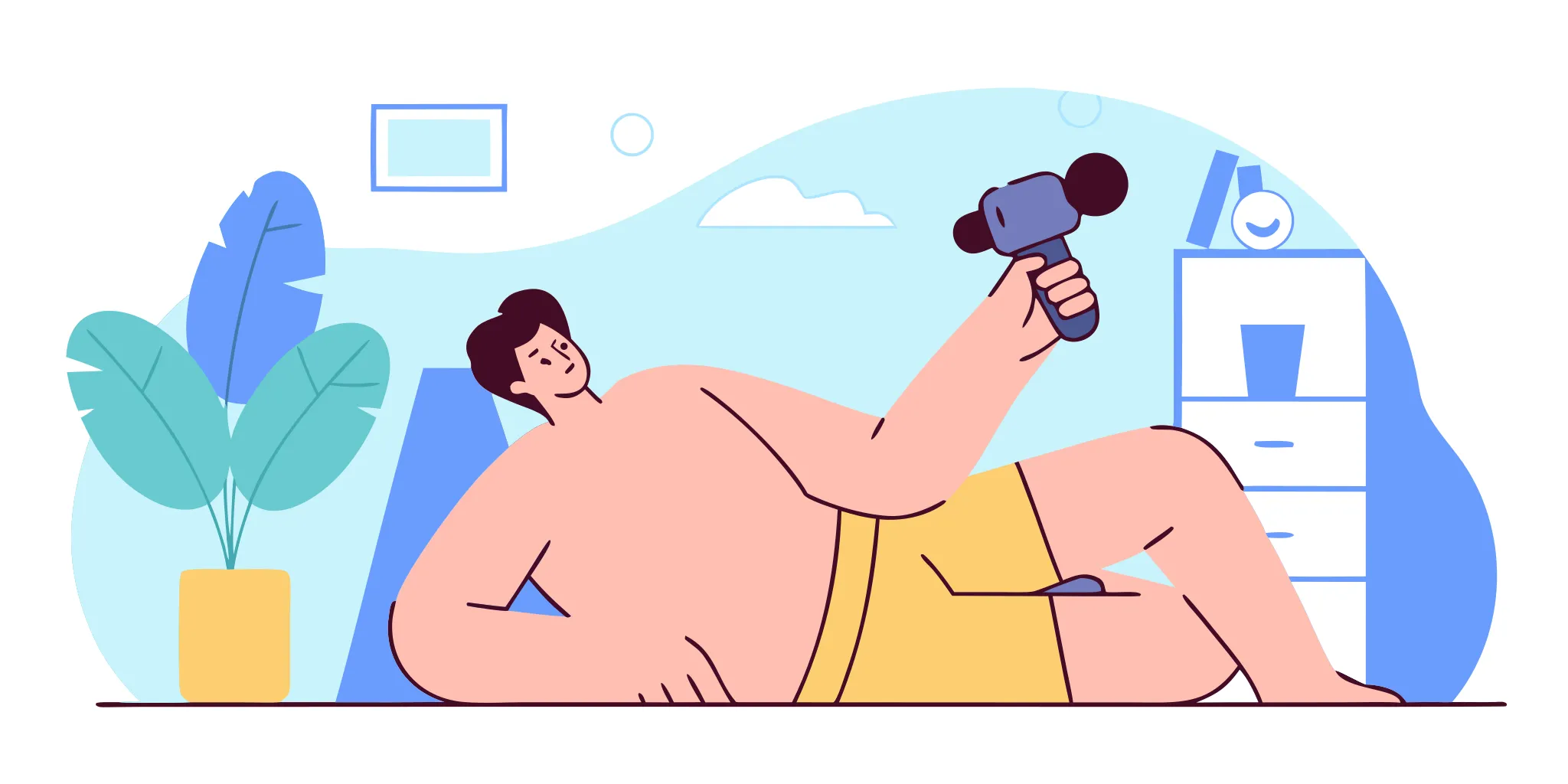
The glute area includes three main muscles. The gluteus maximus is the largest and contributes to actions such as standing, climbing, and extending the hip. The gluteus medius and gluteus minimus sit more toward the outer hip and help with side-to-side movement and balance. Together, these muscles work across a wide area.
That wide area is one reason a handheld vibration tool can be useful. Rather than staying on one tiny point, you can guide it gradually across the broad, soft portions of the glutes. This makes it possible to explore different areas and find a level of contact that feels comfortable for your routine.
How high-frequency vibration feels
High-frequency vibration uses fast movement with a short stroke. Rapid Release Technology tools can operate at up to 10,000 vibrations per minute while moving about 1/16 of an inch. That combination creates a quick, smooth sensation rather than a deep, repeated thump. The tool stays in steady contact as you guide it.
A light grip and light contact are usually enough. Pressing harder does not automatically make the experience better. The goal is to let the speed of the tool provide the movement while your hand controls location, pace, and session length. This approach also makes it easier to reach the outer and upper glute areas.
Potential benefits for an active routine
A vibration session should complement movement rather than replace it. Pairing a short session with walking, hip circles, squats, or another comfortable activity can create a useful before-and-after check. Depending on your preferences and routine, a vibration massager for glutes can support:
- A relaxed feeling after a demanding lower-body workout
- Everyday comfort after sitting for an extended period
- A comfortable warm-up before walking or training
- Awareness of how the left and right sides feel
- Easy movement through your usual range of motion
- A repeatable reset during an active day
- Light, controlled contact across a broad muscle area
These are practical, experience-based goals, not promised outcomes. Your preferred speed, pressure, and timing may differ from someone else's. Start with less, notice the sensation, and adjust gradually. A useful session fits smoothly into your day and can complement this hip and thigh mobility guide.
How do you use a vibration massager on your glutes?
Use a vibration massager on your glutes by choosing a relaxed position, starting at a low setting, and gliding the tool across the soft muscle area with light pressure. Keep the motion slow, limit the first session, compare both sides, and finish with a simple movement check such as walking or a comfortable squat.
Choose a relaxed position
Position matters because a heavily engaged muscle feels different from a relaxed one. Standing with all your weight on the target side may make it harder to guide the tool comfortably. Instead, shift most of your weight to the other leg, sit near the edge of a stable chair, or lie on your side.
Make sure you can reach the area without twisting or straining. A manageable tool weight and a comfortable grip make this easier. If reaching one side feels awkward, change positions rather than forcing your arm behind you. The setup should feel stable before you turn on the device.
Follow a simple six-step session
- Check your movement. Walk a few steps or complete a comfortable squat, then notice how each side feels.
- Select a low setting. Begin with the lowest available speed so you can get familiar with the sensation.
- Start on a broad area. Place the tool over the soft, central portion of the glute with light contact.
- Glide with control. Use slow circles or short passes rather than rushing from point to point.
- Compare both sides. Use a similar pace and session length on the left and right glutes.
- Repeat your movement check. Walk or squat again and note how your movement feels.
For a first session, one or two minutes per side may be enough to learn how the tool feels. A longer session is not automatically a better one. Keep the pace unhurried, use a light touch, and pause whenever you want to reassess the sensation or change your position.
Use control instead of extra force
The glutes are large muscles, but that does not mean you need to lean hard into the device. Let the tool's speed do the work. Guide it across the broad muscle area and spend a little extra time on everyday tightness only when the sensation remains comfortable. Avoid forcing the tool into any spot.
Consistent movement is generally easier to manage than holding the device in one place for a long time. If you pause over a tight area, keep the pause brief, then continue gliding. Your hand should remain relaxed enough to steer the device accurately and maintain an even pace.
When should you use glute vibration?
You can use glute vibration before a workout, after activity, following a long period of sitting, or during an easy rest-day routine. Match the session to the moment: keep it brief before movement, use an unhurried pace afterward, and always follow the session with a quick check of your comfort and mobility.
Before a workout or walk
A brief session can fit between your general warm-up and your main activity. Use light pressure for about 30 to 60 seconds on each side, then move into dynamic actions that match your plans. Hip circles, bodyweight squats, or a short walk can help you shift from vibration into active movement.
Keep the pre-workout session short and purposeful. You are not trying to complete a long relaxation routine. You are simply checking in with the glute area, introducing quick movement from the tool, and then preparing through your usual warm-up. If you feel ready after a brief pass, move on.
After activity
After a workout, hike, ride, or busy day, you may prefer a slower session. Get into a stable position, reduce unnecessary tension, and glide the tool across each side. Pair the session with calm breathing and easy movement. The aim is to create a comfortable transition from activity into the rest of your day.
Try using the same general path on both sides so it is easy to compare how they feel. You might begin at the central glute, move toward the outer portion, and then return. There is no need to chase every tight spot. A simple, repeatable sequence is often easier to maintain.
After extended sitting
A vibration tool can also fit into a break from desk work, driving, or travel. Start by standing and walking for a minute. Then use a short session on the soft glute area before walking again. Combining the device with movement keeps the routine practical and gives you a clear before-and-after comparison.
Avoid relying on the tool as your only response to a long day of sitting. Regular position changes, short walks, and comfortable mobility work remain useful. Think of vibration as one optional part of a broader active-lifestyle routine, not as a substitute for moving throughout the day.
Compare Rapid Release Technology tools and choose a format that fits your routine.
How does high-frequency vibration compare with percussion?
High-frequency vibration uses rapid movement, a short stroke, and continuous contact, while percussion uses a longer striking motion with repeated contact and release. Vibration generally feels like a smooth hum; percussion generally feels like a rhythmic thump. The better choice depends on the sensation, control, and format you prefer.
Both tool styles are commonly used around active routines, but their mechanics create noticeably different experiences. A percussion device travels farther with each stroke and repeatedly taps the target area. A high-frequency vibration device travels a much shorter distance and maintains a steadier connection with the surface as it moves.
| Feature | Percussion | High-frequency vibration |
|---|---|---|
| Motion | Repeated striking | Rapid vibration |
| Contact | Intermittent | Continuous |
| Stroke | Longer travel | Short travel |
| Sensation | Rhythmic thump | Smooth hum |
| Pressure style | More forceful feel | Light, controlled feel |
| Typical routine | Focused passes | Broad-area gliding |
Consider sensation and control
The large glute area gives you room to use either format, but your preferences should guide the choice. If you enjoy a stronger, rhythmic sensation, percussion may suit you. If you prefer a smooth sensation with steady contact and a short stroke, high-frequency vibration may be the more comfortable option.
Also consider how easily you can guide the tool behind you. A lighter design and balanced grip may make it easier to reach the glutes without awkward positioning. Controls should be easy to change while holding the device. The best format is the one you can use comfortably and consistently.
Keep the comparison practical
Marketing labels can make the choice sound more complex than it is. Focus on the experience you want: striking or vibrating motion, intermittent or continuous contact, and stronger or lighter-feeling passes. If possible, review the tool's speed, stroke, weight, grip, and available surfaces before deciding.
Whichever style you select, technique still matters. Begin at a low setting, maintain control, and use a session length that fits your day. More speed, pressure, or time does not ensure a better experience. Your routine should remain easy to repeat and easy to adjust.
How can you build a glute mobility routine?
Build a glute mobility routine by combining a short vibration session with a simple movement check and a few comfortable active motions. Use the same sequence regularly, note how each side feels, and adjust the speed, pressure, or duration gradually. Consistency and control matter more than making the routine long or intense.
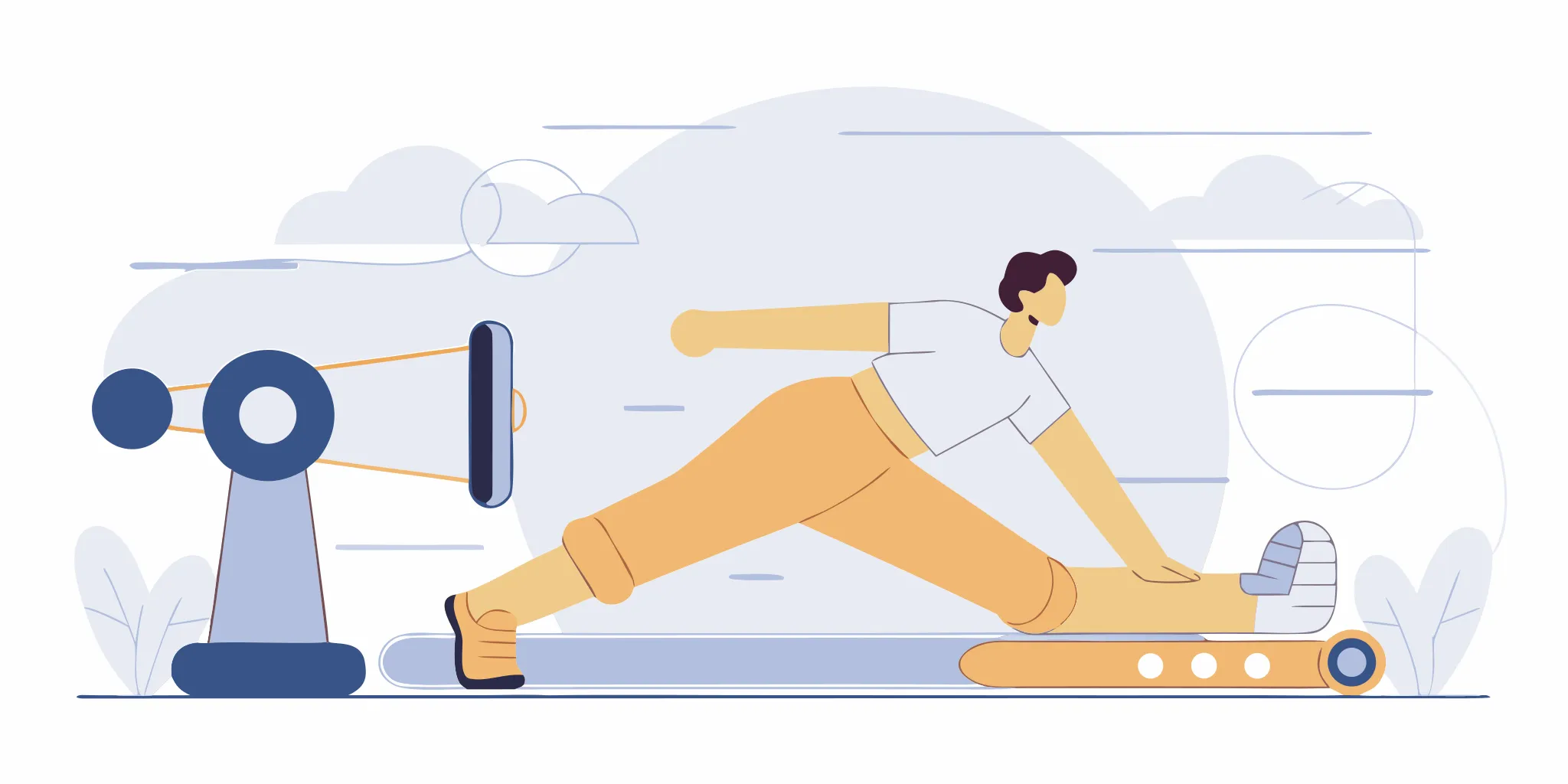
Start with a movement check
Choose one or two movements that are familiar and easy to repeat. A comfortable bodyweight squat, a short walk, or controlled hip circles can work well. Notice your general ease of movement and whether one side feels tighter than the other. This gives your session a clear starting point.
After using the vibration massager for glutes, repeat the same movements. You are not grading your performance or searching for a dramatic change. You are simply noticing your current experience. Over time, this habit can help you learn which settings, positions, and session lengths fit your preferences.
Pair vibration with active motion
Once the short vibration pass is complete, add a few gentle active movements. Try slow squats, supported lunges, or hip circles within a comfortable range of motion. Move with control and keep the sequence short enough that you can use it before a workout, after activity, or during a break.
A sample routine could include a one-minute walk, one minute of vibration per side, five controlled squats, and five hip circles in each direction. That sequence is easy to remember and adjust. You can shorten it on busy days or repeat the active movements when you have more time.
Make the routine sustainable
A routine works best when it fits your schedule and feels approachable. Keep the device charged, store it where you plan to use it, and choose a consistent cue such as finishing a workout or standing after desk time. For more timing ideas, use this guide to vibration massage before or after a workout.
Frequency is personal. Some active adults enjoy brief daily sessions, while others use a tool only after selected workouts or long periods of sitting. Start conservatively and decide based on comfort. There is no prize for using the device more often than your routine requires.
What should you look for in a glute vibration tool?
Look for a glute vibration tool with manageable weight, an easy grip, simple controls, useful speed options, and enough battery life for your routine. Also compare stroke length, contact style, available surfaces, and overall size. The right tool should be easy to reach with, guide steadily, store, and use consistently.
Speed and stroke
Speed describes how quickly the tool moves, while stroke describes how far it travels. Rapid Release Technology tools can operate at up to 10,000 vibrations per minute with a short stroke of about 1/16 of an inch. Those features create the smooth, high-frequency format described throughout this guide.
Do not evaluate speed alone. A high number only tells part of the story. Consider how speed and stroke work together, how the device feels in your hand, and whether the controls let you begin gently. A tool should make it easy to select a comfortable setting rather than encouraging maximum output every time.
Grip, weight, and reach
Because the glutes can be awkward to reach, ergonomics deserve close attention. A tool that feels manageable at first should still feel manageable when your arm reaches behind you. Look for a secure grip, balanced weight, and controls that are easy to locate without changing your position repeatedly.
If you plan to use the tool at the gym or while traveling, size and storage may matter as much as power. Battery life should match your typical session pattern. Extra features can be helpful, but straightforward controls and a form you can guide confidently often provide the most everyday value.
Surfaces and everyday usability
Broad, rounded, or flat contact surfaces often suit the large glute area because they make controlled gliding simple. Different surfaces may change how focused or spread out the sensation feels. Start with the broadest, most comfortable option, then explore other available surfaces only if they fit your preferences.
Review the product instructions before your first session so you understand its settings, charging process, and recommended use. Compare options in the Rapid Release Technology collection, or review the Rapid Release PRO3 when a professional-format tool fits your routine.
Explore the Rapid Release Technology collection for high-frequency vibration options.
Frequently Asked Questions
A vibration massager for glutes is easiest to use when you keep the routine simple and adapt it to your preferences. The answers below cover common questions about session length, timing, contact surfaces, and frequency. Start conservatively, use light pressure, and focus on a comfortable, repeatable experience rather than maximum intensity.
How long should a vibration session on the glutes last?
Start with about one or two minutes per side so you can learn how the device feels. You can adjust later sessions based on your comfort, schedule, and product instructions. A short, focused session can fit easily before or after activity; adding more time does not automatically improve the experience.
Should I use a vibration massager before or after a workout?
You can use it at either time. Before a workout, keep the session brief and follow it with your usual dynamic warm-up. After a workout, choose a relaxed position and use an unhurried pace. Some people also enjoy short sessions after sitting or as part of an easy rest-day routine.
Do I need different tips for a glute session?
Not necessarily. A broad, rounded, or flat surface can make it easy to glide across the large glute area. If your device includes several contact surfaces, begin with the option that feels most comfortable and controlled. Review the product instructions and choose based on your preferred sensation rather than complexity.
Can I use a vibration massager on my glutes every day?
Some people include brief vibration sessions in a daily active-lifestyle routine, while others use the tool only around selected workouts or long periods of sitting. Begin conservatively, follow the product instructions, and choose a frequency that remains comfortable and practical for you. Consistency does not require long or intense sessions.
How much pressure should I use?
Use light pressure and let the device's speed create the sensation. Pressing harder does not guarantee a better session and can make the tool harder to guide. Maintain a relaxed grip, move slowly across the broad glute area, and reduce pressure whenever you want a gentler experience.
What movements pair well with a glute vibration routine?
Simple active motions such as walking, comfortable bodyweight squats, supported lunges, and controlled hip circles pair well with a short session. Choose movements you already know, stay within a comfortable range of motion, and use the same movement before and after the session when you want an easy comparison.